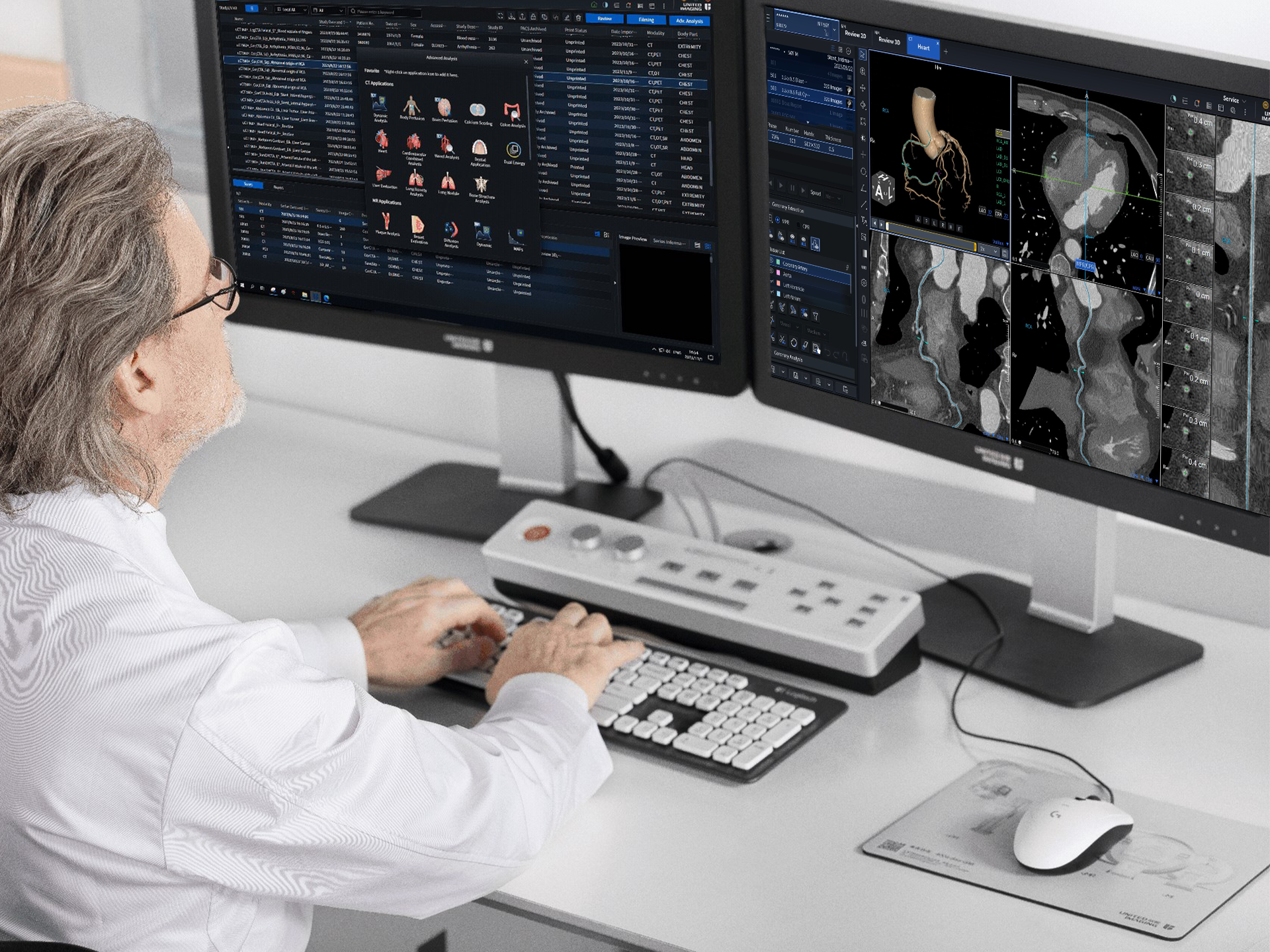
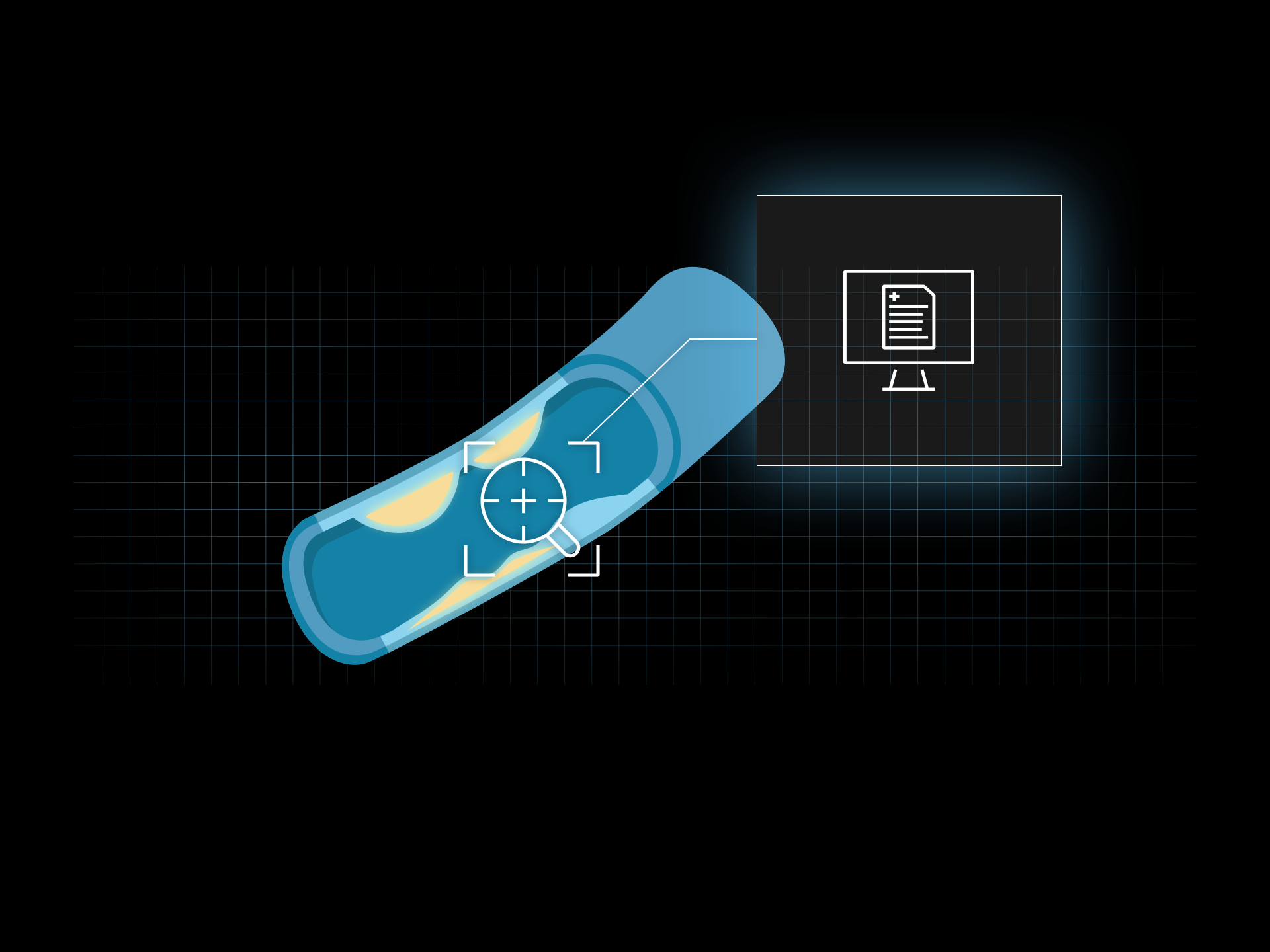
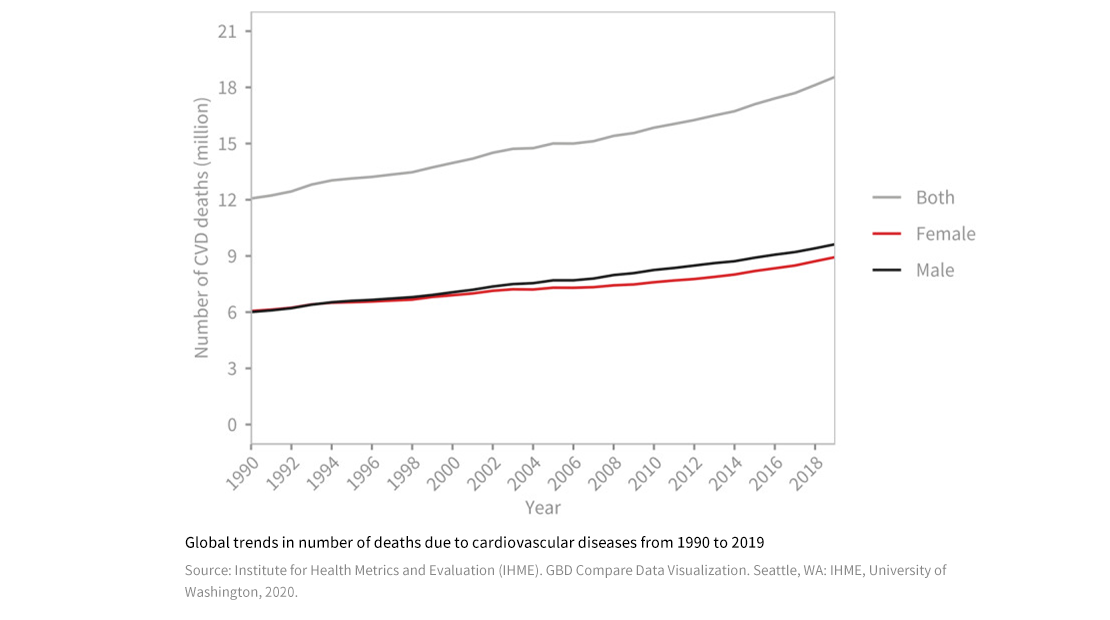
As technology advances, CT has demonstrated remarkable potential in noninvasively revealing internal anatomical structures. Cardiovascular diseases (CVDs) remain the leading cause of death worldwide. According to the WHO, an estimated 19.8 million people died from CVDs in 20221. Moreover, in the long term, the general trends of the number of patients resulted by CVD deaths keeps increasing2. Thus, a comprehensive and efficient quantitative analysis is highly demanded.

CT Heart on the uOmnispace™ platform could provide thorough diagnosis of coronary, stenosis, plaque and cardiac function analysis. With the ALL-IN-ONE applications, CT Heart could provide physicians with robust clinical evidence for further evaluation.

1. World Health Organization. "Cardiovascular Diseases (CVDs)." World Health Organization , 31 July 2025, www.who.int/news-room/fact-sheets/detail/cardiovascular-diseases-(cvds).
2. Di Cesare, Mariachiara et al. "The Heart of the World." Global heart vol. 19,1 11. 25 Jan. 2024, doi:10.5334/gh.1288

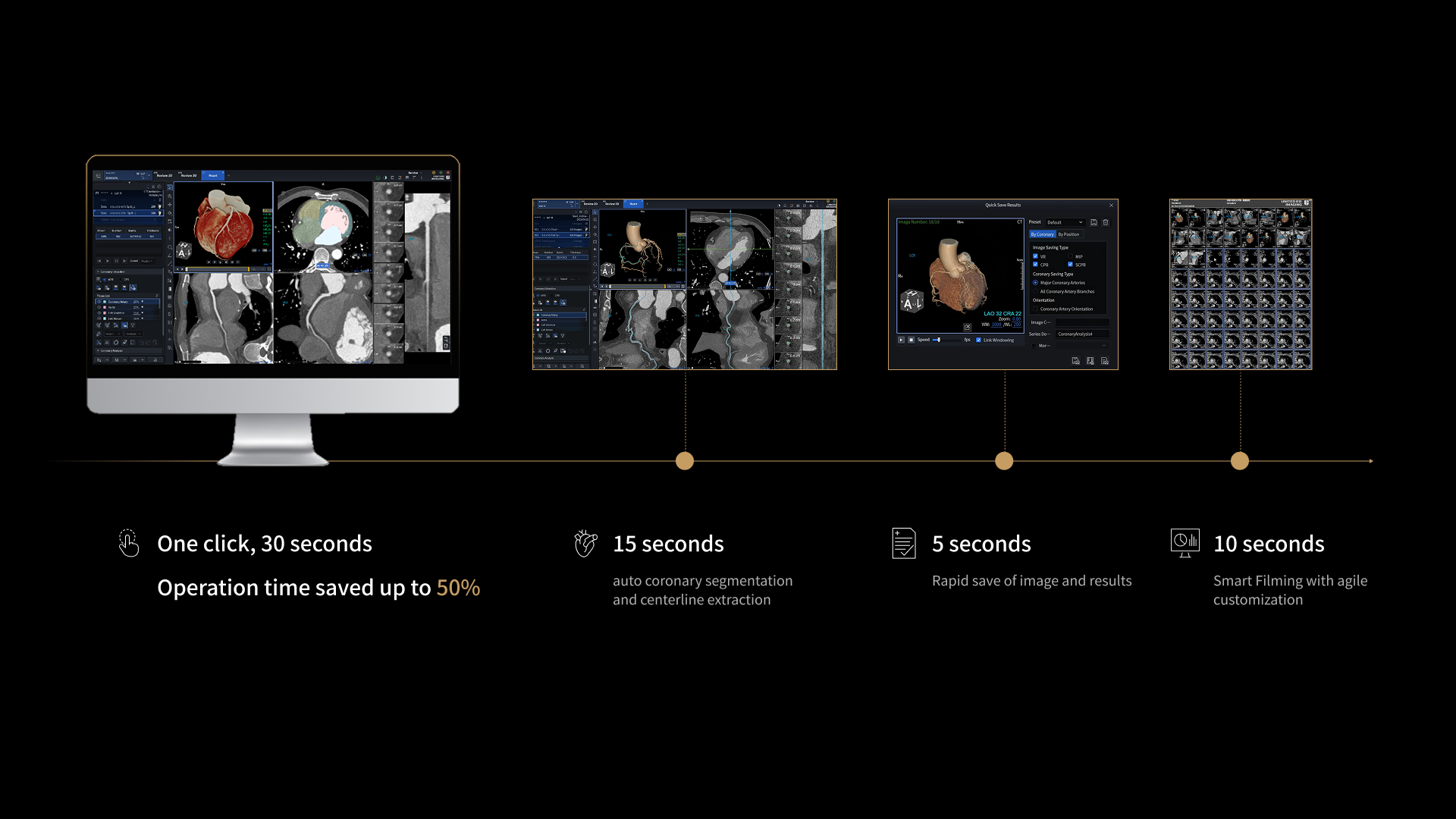
Seamless Workflow

* Data obtained from the internal testing.

Accelerated by Pre-processing

Pre-processing runs algorithms in the background based on user-defined rules, accelerating workflow by reducing data loading time and streamlining essential steps such as coronary vessel recognition. With Pre-processing, data loading time is cut dramatically—from minutes to just seconds.

AI-driven Efficiency**

CT Heart is equipped with an AI-driven algorithm that enables precise coronary artery extraction and heart chamber segmentation. Compared with conventional manual operations, CT Heart streamlines workflow and maintains uncompromised accuracy – empowering clinicians to achieve faster, smarter, and more efficient cardiac assessments.
91.6% Accuracy*

Coronary artery extraction

97.0% Accuracy*

Heart Chamber Segmentation

* Refers to global performance using Dice Similarity Coefficient. Data on file.
** FDA 510(K) cleared
Effortless Saving

With a single click, physicians can save cardiac images effortlessly. They can also specify the image types to be saved allowing customization based on hospital protocols or personal preferences, and reducing redundant work.

Dynamic Batch enables users to quickly save and view the heart's motion — capturing the dynamic movement of cardiac chambers or valves across different phases. Clinically, visualizing temporal changes can help physicians assess functional parameters such as valve operation, and wall motion abnormalities. By preserving the full motion cycle, Dynamic Batch supports more accurate diagnosis, treatment planning, and monitoring of cardiac disease.

The Cardiac Chamber Batch automatically saves standardized MPR views of the heart including the 4-chamber, 2-chamber, and short-axis orientations. By depicting the cardiac chambers in these essential planes, it provides comprehensive anatomical detail that supports more accurate clinical assessment. Clinically, these views are crucial for evaluating ventricular function (such as ejection fraction), detecting wall motion abnormalities, and assessing valve morphology and chamber size. This allows physicians to make better-informed diagnoses, track disease progression, and plan treatment more effectively.

Quick Result Saving

With a single click, physicians can save cardiac images effortlessly. They can also specify the image types to be saved allowing customization based on hospital protocols or personal preferences, and reducing redundant work.

Dynamic Batch

Dynamic Batch enables users to quickly save and view the heart's motion — capturing the dynamic movement of cardiac chambers or valves across different phases. Clinically, visualizing temporal changes can help physicians assess functional parameters such as valve operation, and wall motion abnormalities. By preserving the full motion cycle, Dynamic Batch supports more accurate diagnosis, treatment planning, and monitoring of cardiac disease.

Cardiac Chamber Batch

The Cardiac Chamber Batch automatically saves standardized MPR views of the heart including the 4-chamber, 2-chamber, and short-axis orientations. By depicting the cardiac chambers in these essential planes, it provides comprehensive anatomical detail that supports more accurate clinical assessment. Clinically, these views are crucial for evaluating ventricular function (such as ejection fraction), detecting wall motion abnormalities, and assessing valve morphology and chamber size. This allows physicians to make better-informed diagnoses, track disease progression, and plan treatment more effectively.

Dedicated Image Presentation

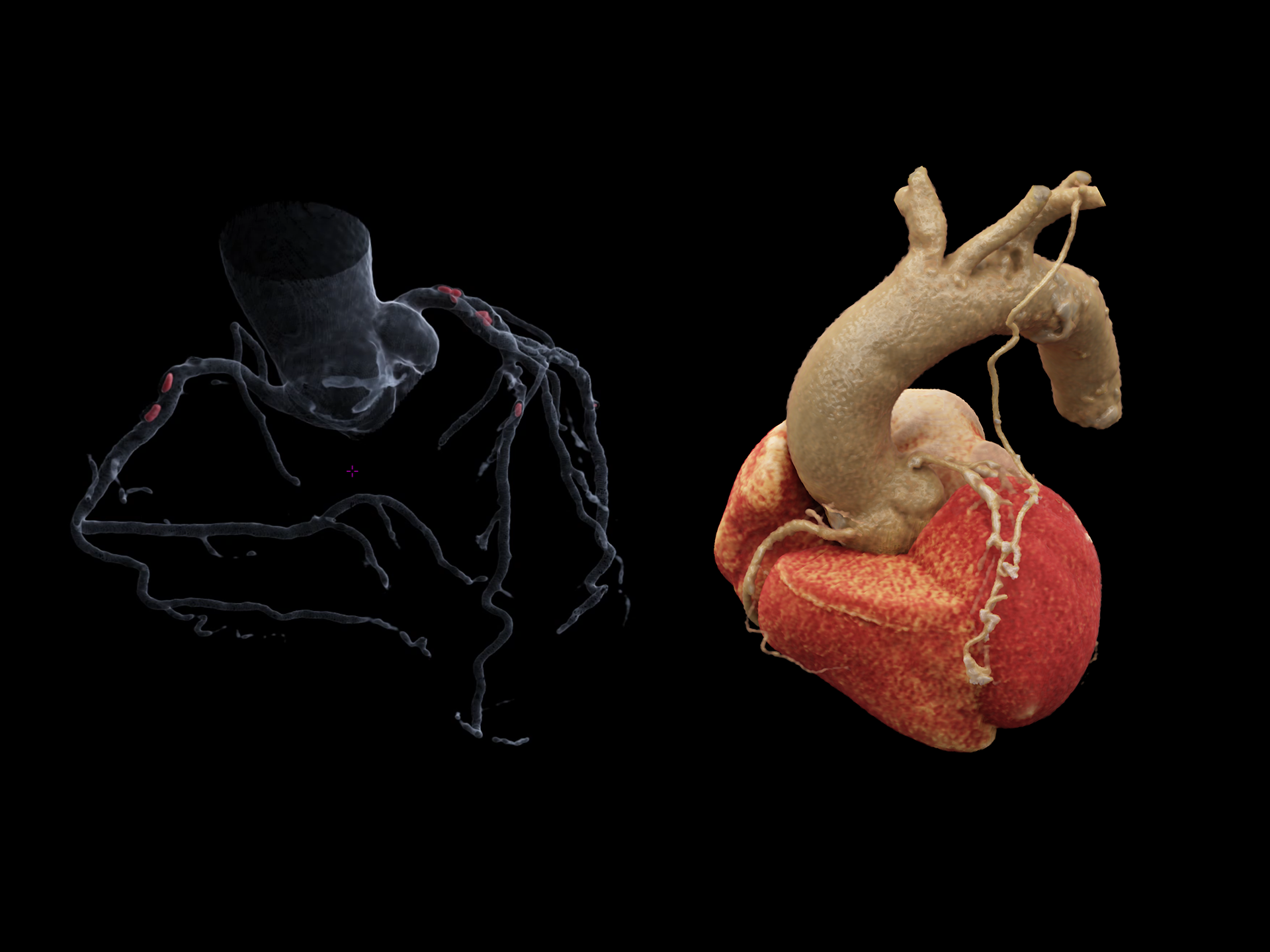
Specialized Hyper Realistic Rendering Image

Conventional volume rendering generates 3D images from 2D tomographic data, often used for preoperative planning, anatomical education and doctor-patient communication. However, traditional rendering techniques tend to obscure calcifications, limiting clinical insight. With uOmnispace™, a specialized color table is designed to reveal these hidden details – delivering more realistic, informative and visually compelling 3D visualization.

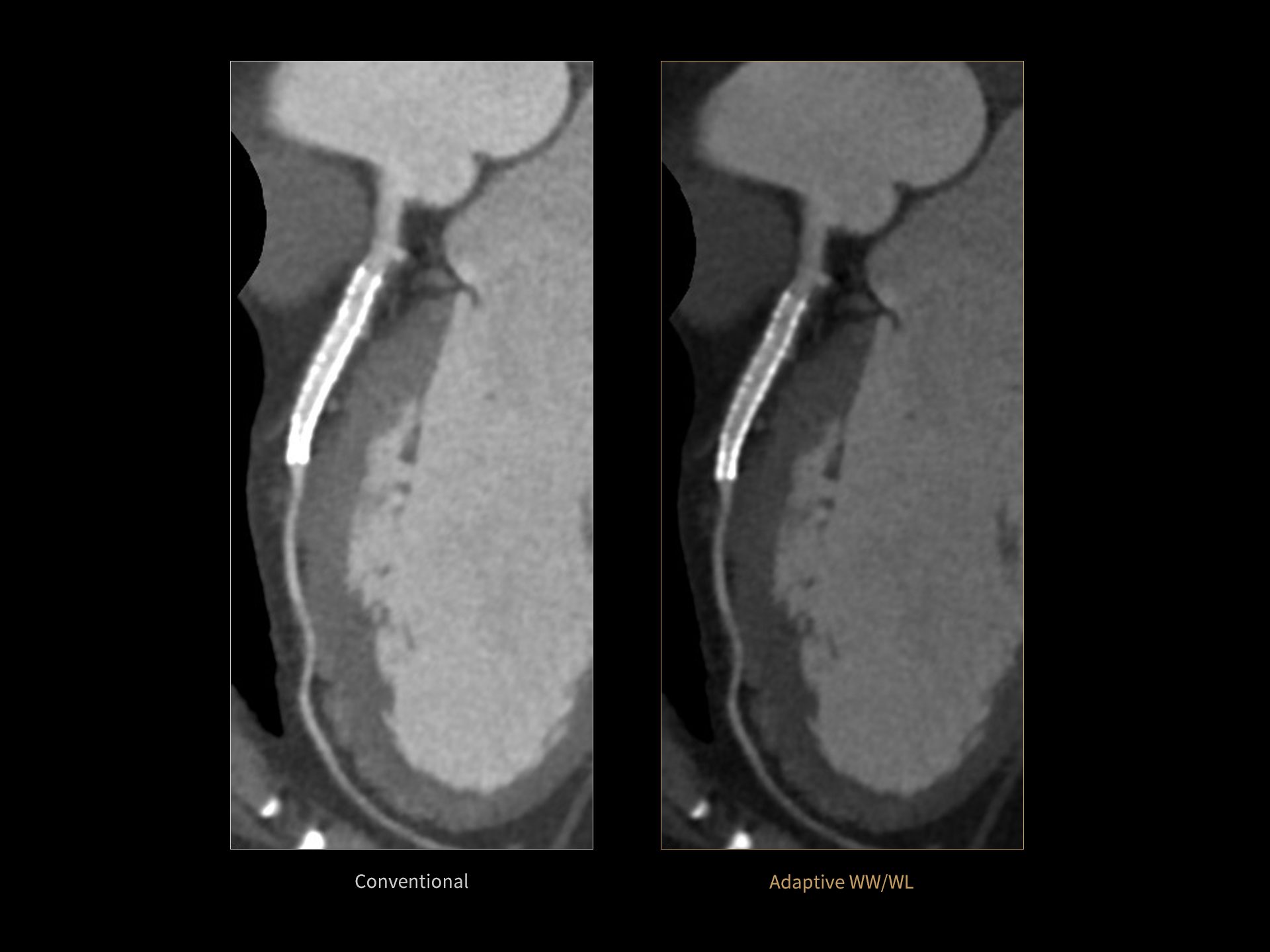
Smart Adaptation

CT Heart features an adaptive window width and level that automatically optimize lumen boundaries and contrast visualization based on CT value distribution. This adjustment could enhance the contrast between stents, plaques, and the vessel lumen, allowing physicians to assess images under optimal conditions at the first glance.

Thorough All-in-One Analysis

Stenosis Analysis

Percent stenosis assessments can vary depending on references planes and calculation methods. To enhance clinical confidence, CT Heart offers two validated approaches for stenosis calculation – both supported by extensive literature and proven in clinical practices:

Visual Diameter Method: using reference section determined by physicians.
Interpolated Cross-Section Method: including the distance between the stenotic location and the reference planes into the consideration.

Plaque Analysis

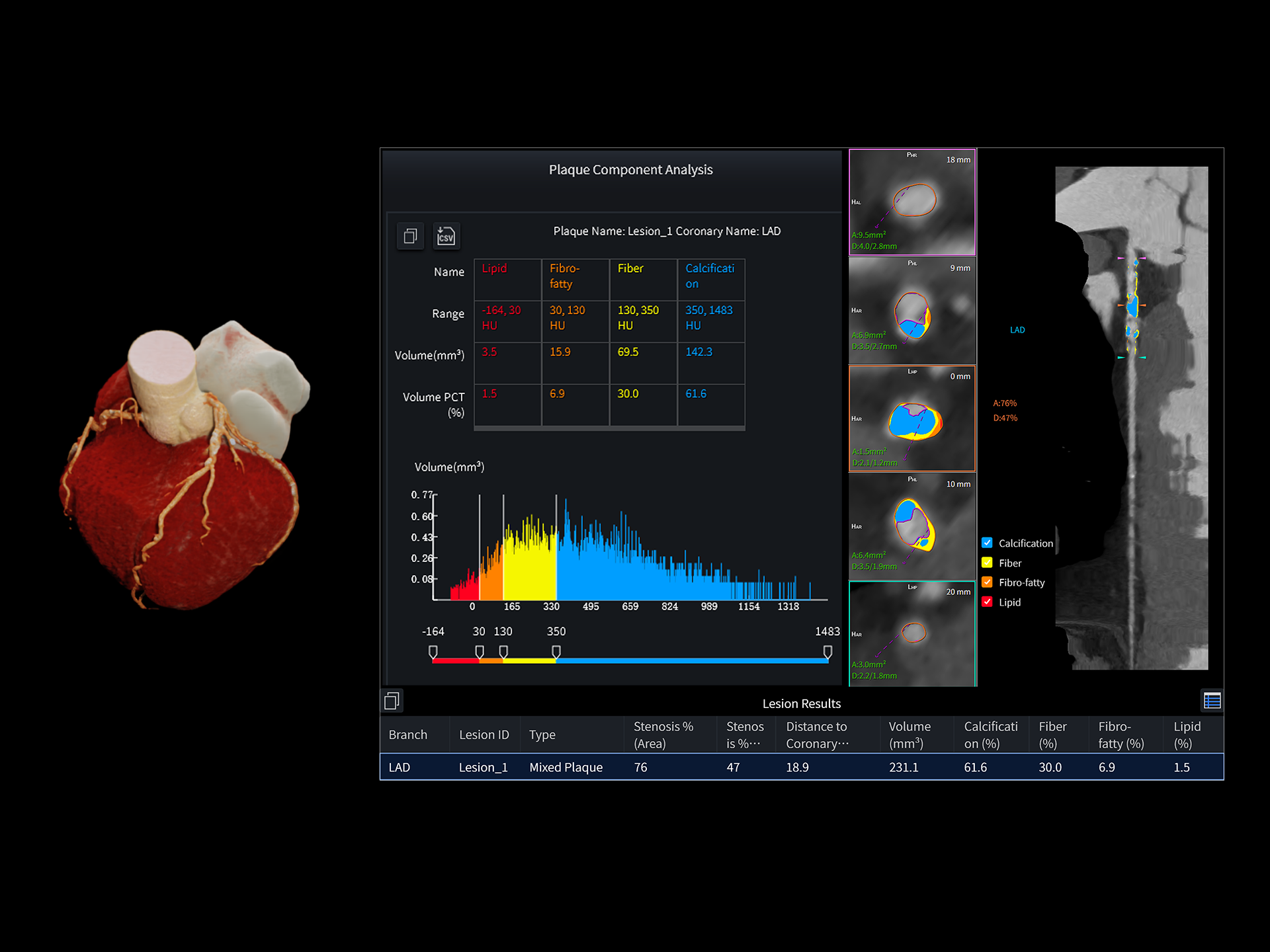
Plaque histology offers critical clinical insights into potential acute coronary events such as plaque rupture. With CT Heart's Plaque Analysis, physicians can identify plaque components, quantify their volume, and localize them within the vessel lumen1. The comprehensive analysis supports more informed treatment decisions and proactive patient management.

Highlighted in distinct colors, the plaque components are clearly visualized on the CPR image. This not only reveals the lesion's location and composition but, more importantly, preserves the surrounding anatomical context, giving physicians a broader view to better determine subsequent treatment decisions.
1. Maurovich-Horvat, P., Ferencik, M., Voros, S. et al. Comprehensive plaque assessment by coronary CT angiography. Nat Rev Cardiol 11, 390–402 (2014). https://doi.org/10.1038/nrcardio.2014.60

Cardiac Function Assessment

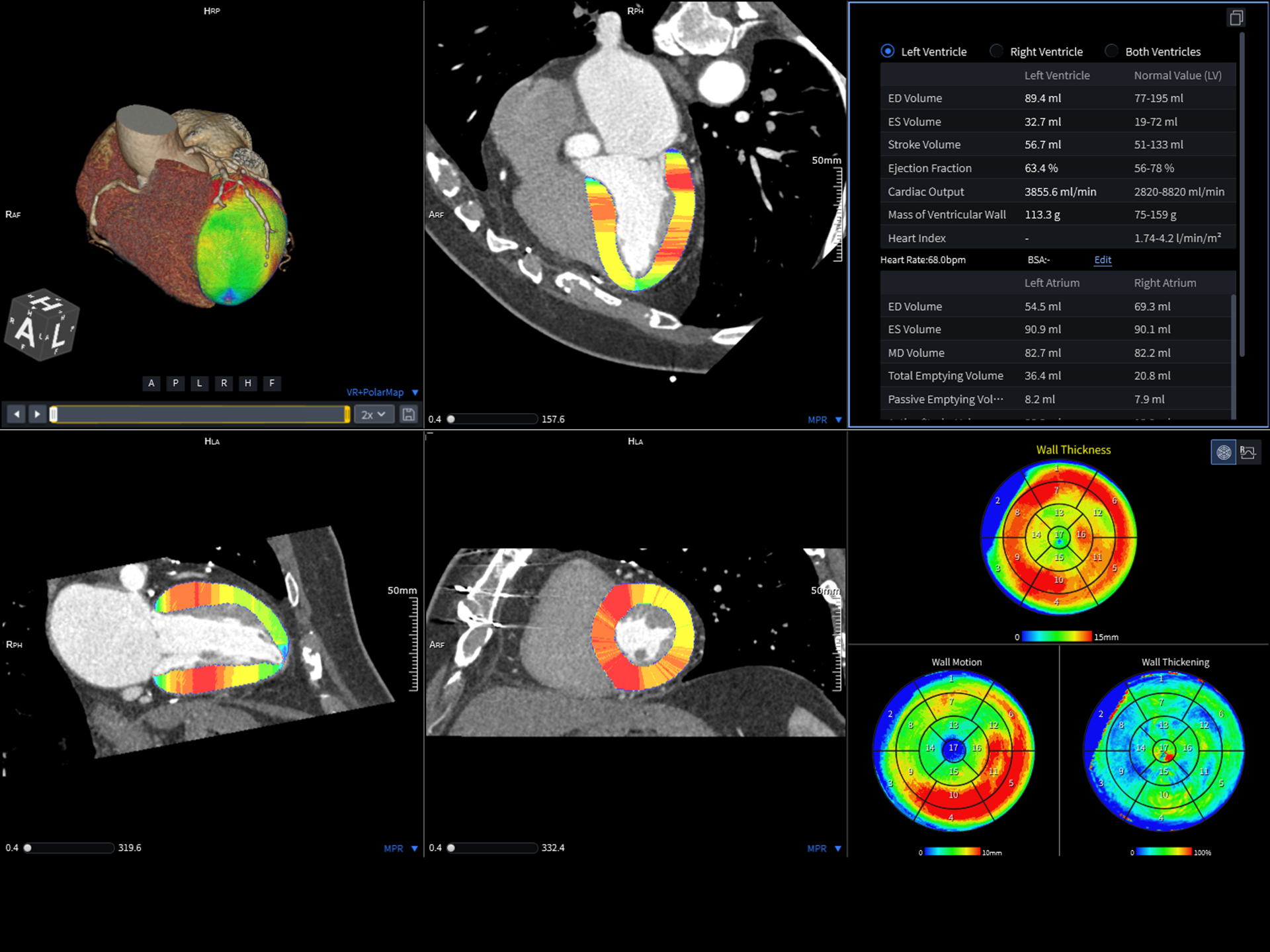
Plaques are often the root cause of acute coronary diseases, yet their impact on cardiac function is also critical. With CT Heart, physicians can perform comprehensive four-chamber and myocardial analysis, supported by a full set of quantitative parameters. The intuitive bull eye image, tailored chamber views and precise measurements together provide robust clinical evidence – empowering physicians to make confident, well-informed treatment decisions.