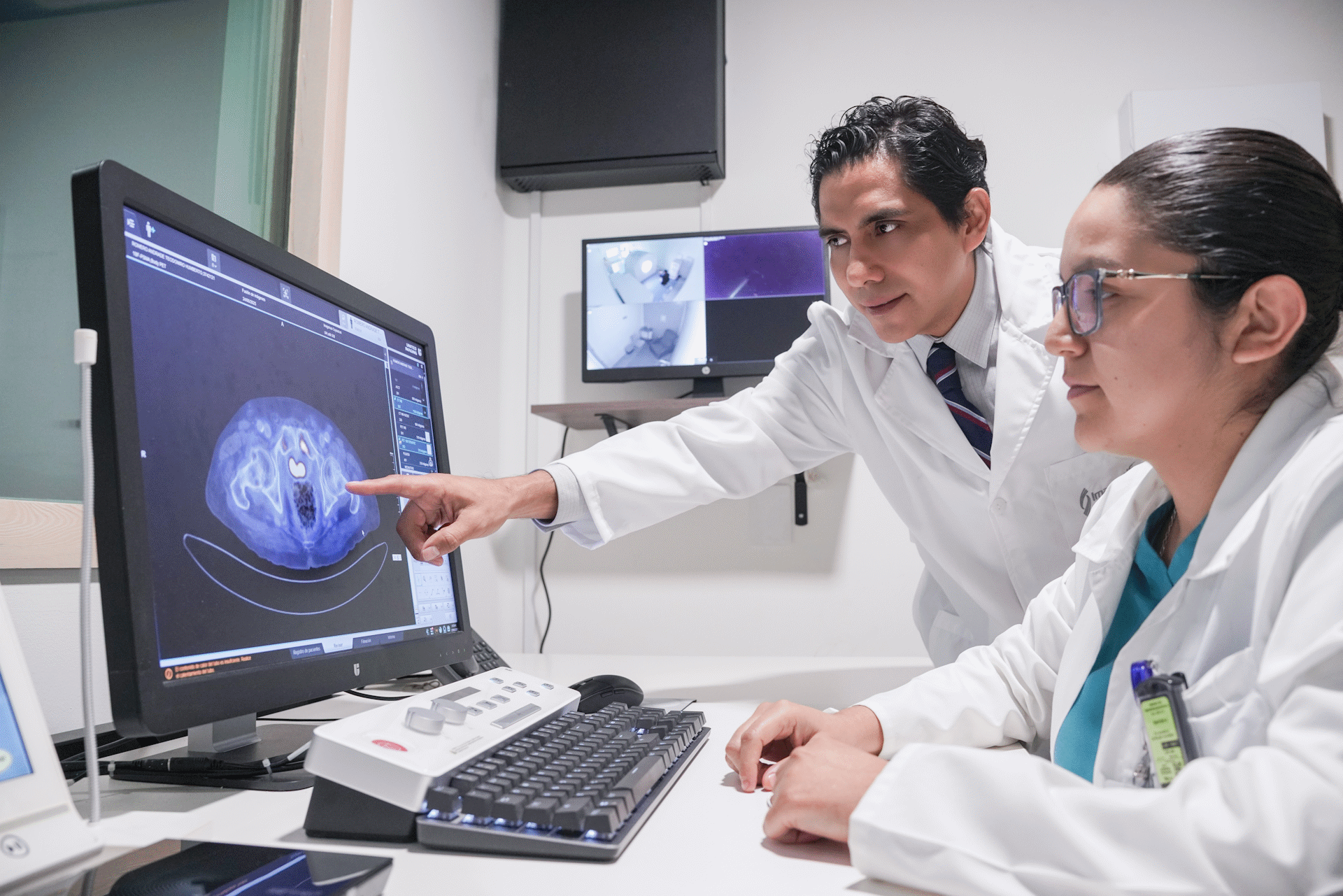
Across Latin America, non-communicable diseases are placing increasing pressure on healthcare systems. Among them, cancer remains one of the most complex challenges, carrying not only a heavy clinical burden but also a significant social and public health cost. In this context, advanced imaging technologies such as PET/CT and nuclear medicine are playing an increasingly critical role.
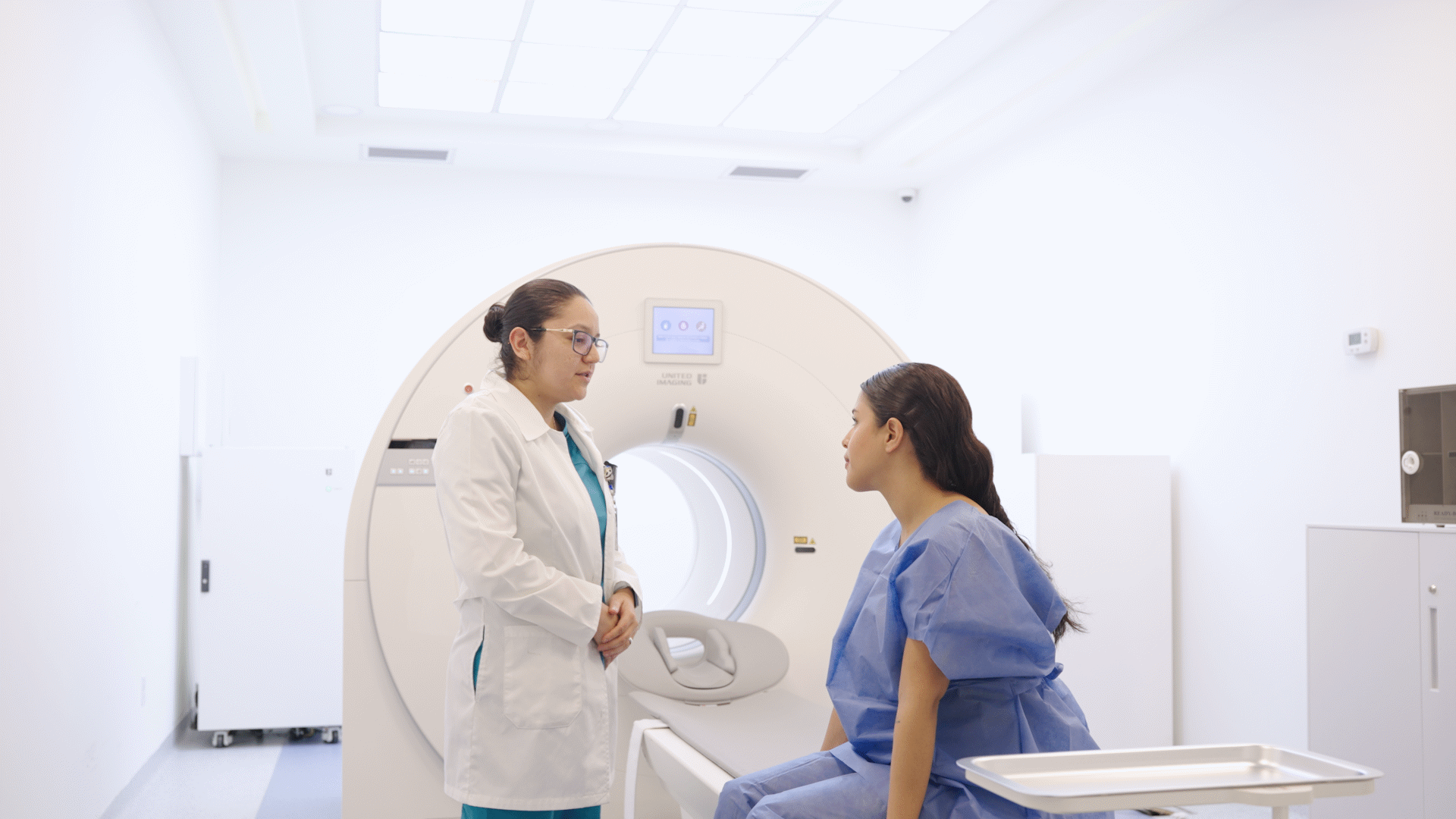
"One of the main problems in Latin American countries is the lack of equipment," said Dr. Osvaldo García, National Nuclear Medicine PET/CT Coordinator at Imagenus Coyoacán and Head of Mexico Nuclear Medicine at the National Cancer Institute.
In Mexico, PROA has been working to address that gap. The company has more than 70 years of experience in medical diagnostic services and operates a nationwide network of over 700 branches. The Mexican healthcare group has expanded access to advanced nuclear medicine and introduced United Imaging's PET/CT systems.

Research efforts are closely aligned with the most prevalent oncological diseases in Mexico. "The main areas of research we are working on are mainly prostate cancer, breast cancer, cervical cancer, and some gastrointestinal malignancies," Dr. García said. "This is because in Mexico, these are the main oncological diseases affecting Mexicans."

The value of next-generation imaging extends beyond diagnosis alone. "Cancer has a considerable social cost and a significant cost in terms of public health, and the use of next-generation equipment or studies such as PET/CT enables physicians to make better decisions, helping to reduce unnecessary costs," Dr. García explained. More precise imaging supports increasingly targeted approaches to care and avoids interventions that may offer limited benefit.
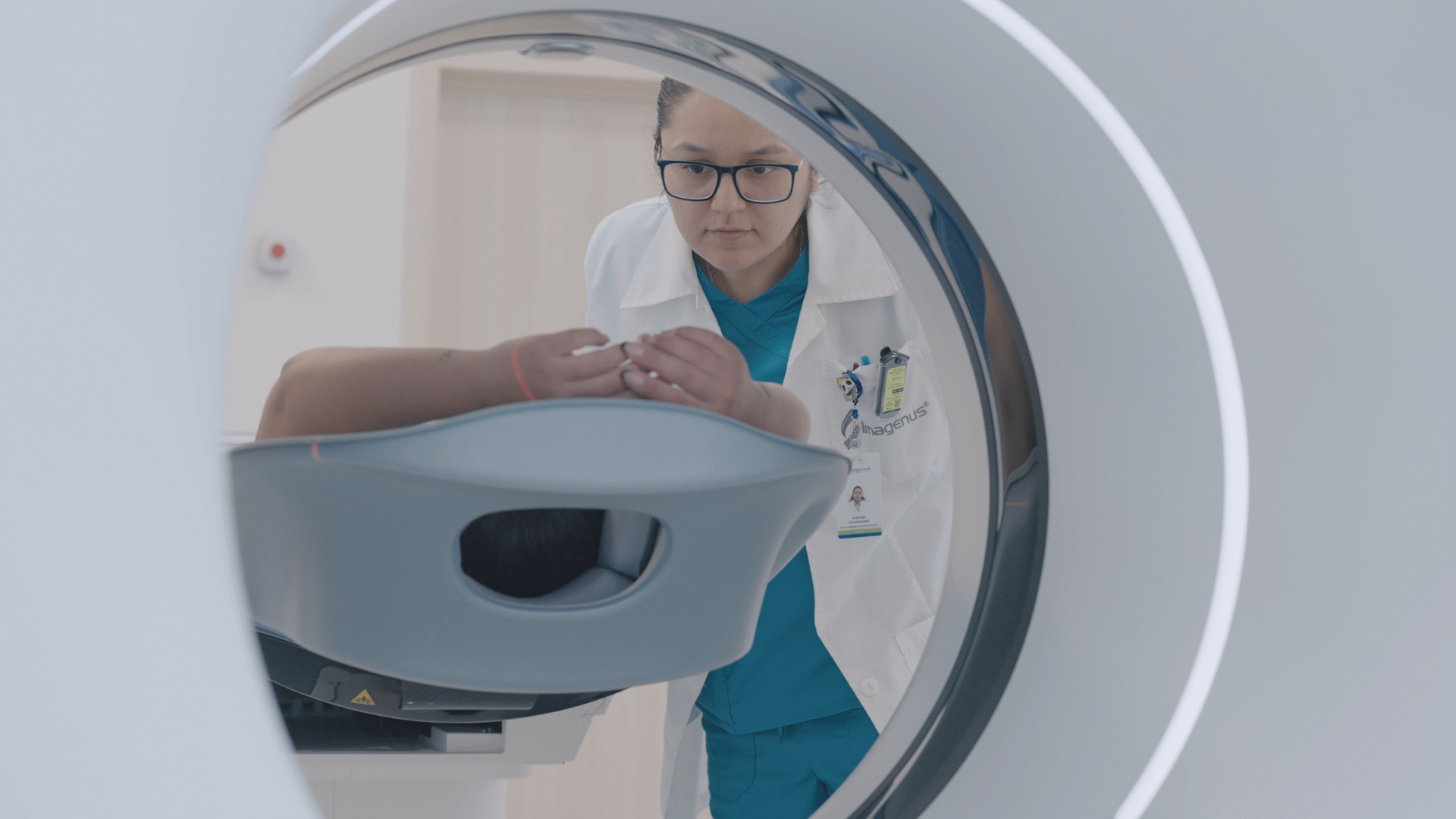
From a clinical perspective, performance and efficiency matter. "The machine has many advantages. The main ones are speed in both the acquisition of the tomography study and the PET study," said Dr. Natalia Ramírez, Radiology Physician at Imagenus Coyoacán. She also highlighted radiation efficiency. "With regard to PET studies, we also use up to three times less radiation than what would be used with other conventional equipment, while obtaining a much sharper image with better definition."

Beyond oncology, PET/CT supports a broader range of clinical applications. "On the non-oncological side, we focus on dementia, on weight loss in studies, and in infectious diseases," Dr. Ramírez noted. Metabolic imaging enables earlier assessment of disease activity and progression, offering clearer prognostic insight where conventional imaging is limited.

Technology continues to shape the field. "AI helps provide or speeds up diagnostics, provides improved, much sharper or more detailed reconstructions, and also helps provide us with access to information that's much simpler to analyze," Dr. García said. "Digital equipment, particularly this digital PET/CT machine, has revolutionized how we study patients."