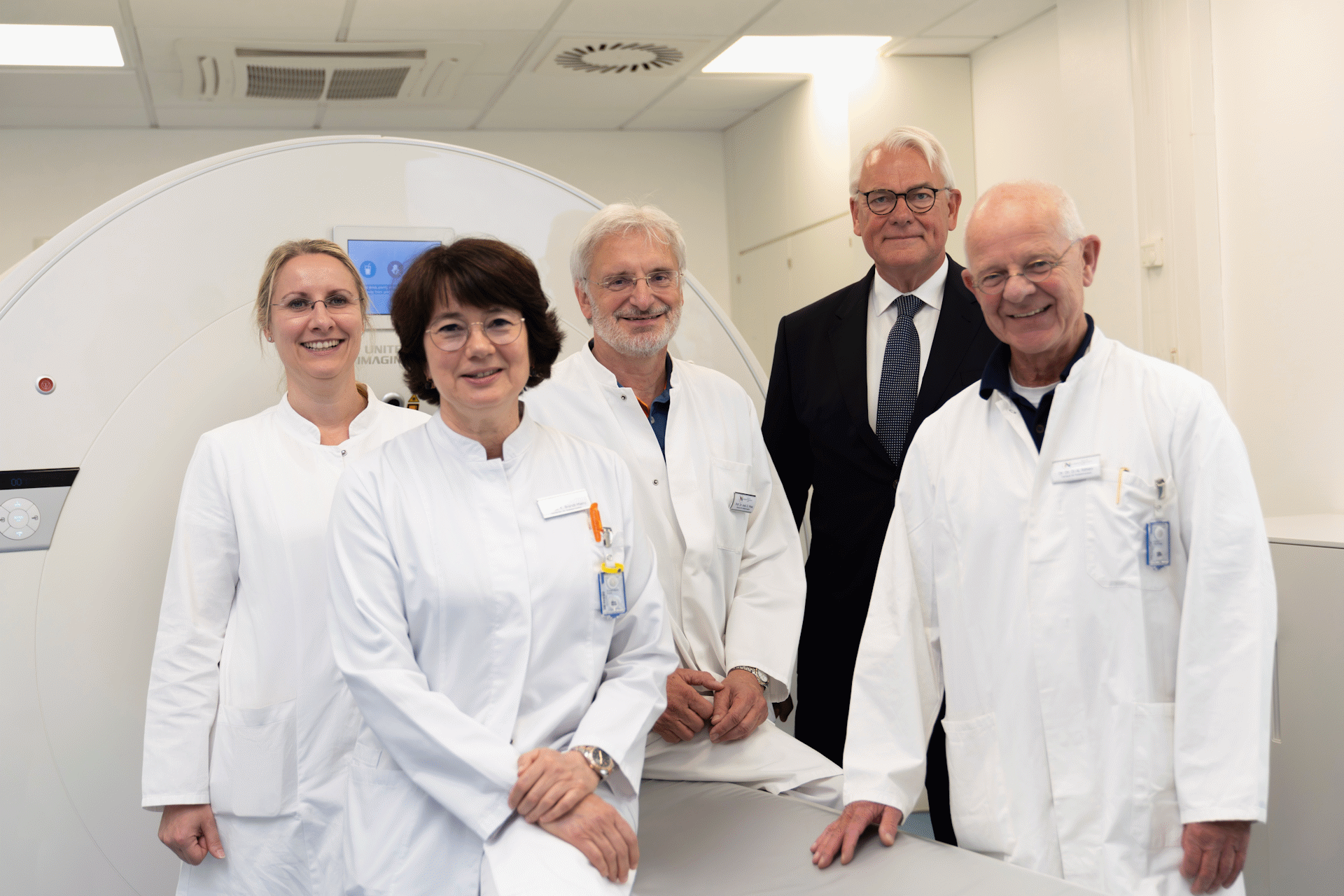
In Essen, Germany, experts at the Center for Nuclear Medicine and Molecular Imaging are witnessing rapid change in their field, particularly in recent years. Advances in nuclear medicine have been especially evident in theranostics, where imaging plays a central role in supporting diagnosis and treatment decisions.
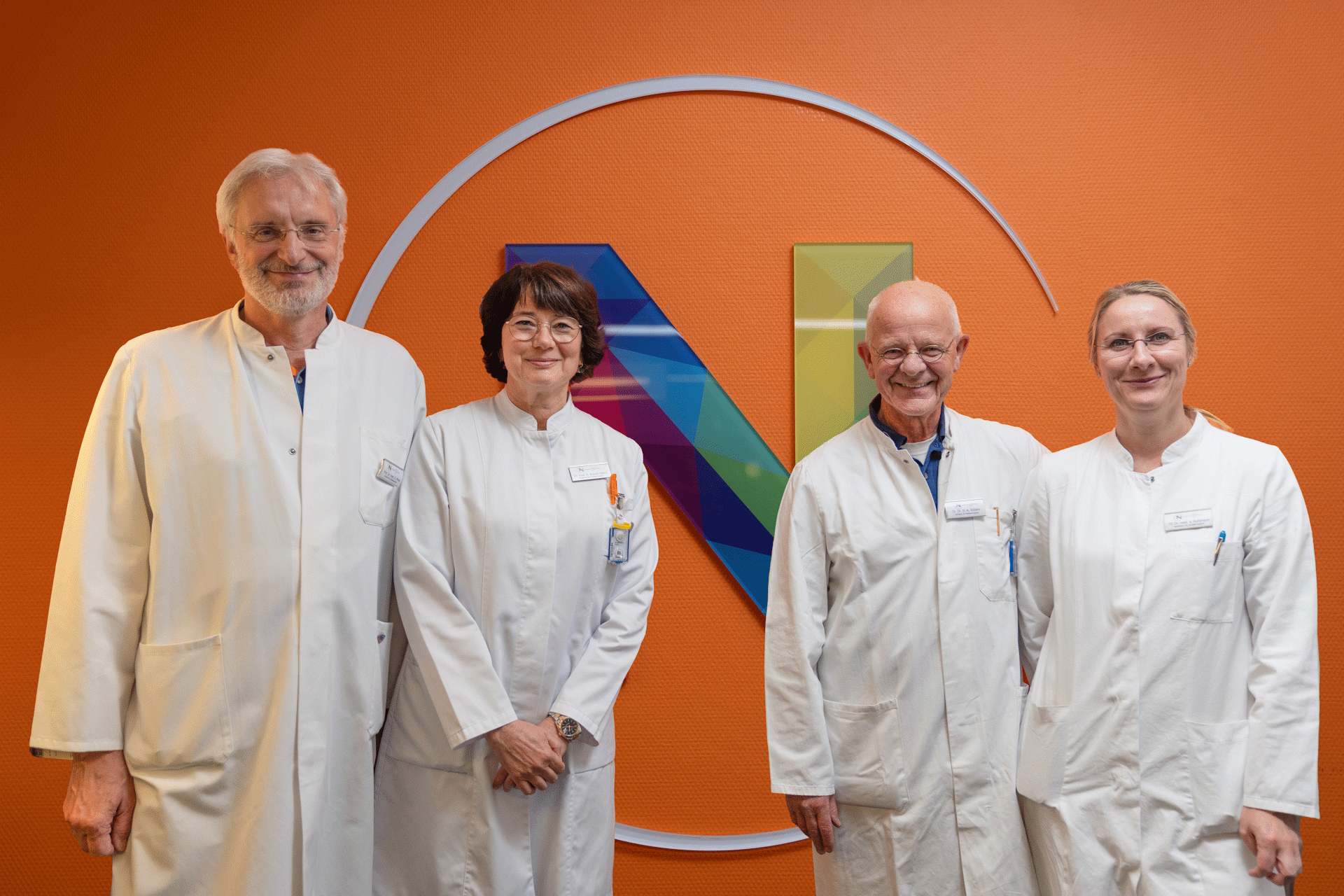
The Center for Nuclear Medicine and Molecular Imaging introduced United Imaging's digital PET/CT to support clinical work that requires both diagnostic precision and operational efficiency.
PD Dr. med. Verena Ruhlmann, Partner at the Center for Nuclear Medicine and Molecular Imaging in Essen & Nuclear Medicine Specialist said: "In Germany, United Imaging has installed the first digital PET/CT system uMI 550 at our location," she said.
As PET/CT capacity expanded, operational changes became more apparent in daily practice. Prof. Dr. med. Jens-Albrecht Koch, Chief Physician of the Department of Diagnostic and Interventional Radiology at KEM, pointed to clear efficiency gains following the addition of another system. "This is the second system we have now and the efficiency has increased significantly," Prof. Dr. med. Koch said. "This means that examination times are significantly reduced, the image quality has been significantly improved."
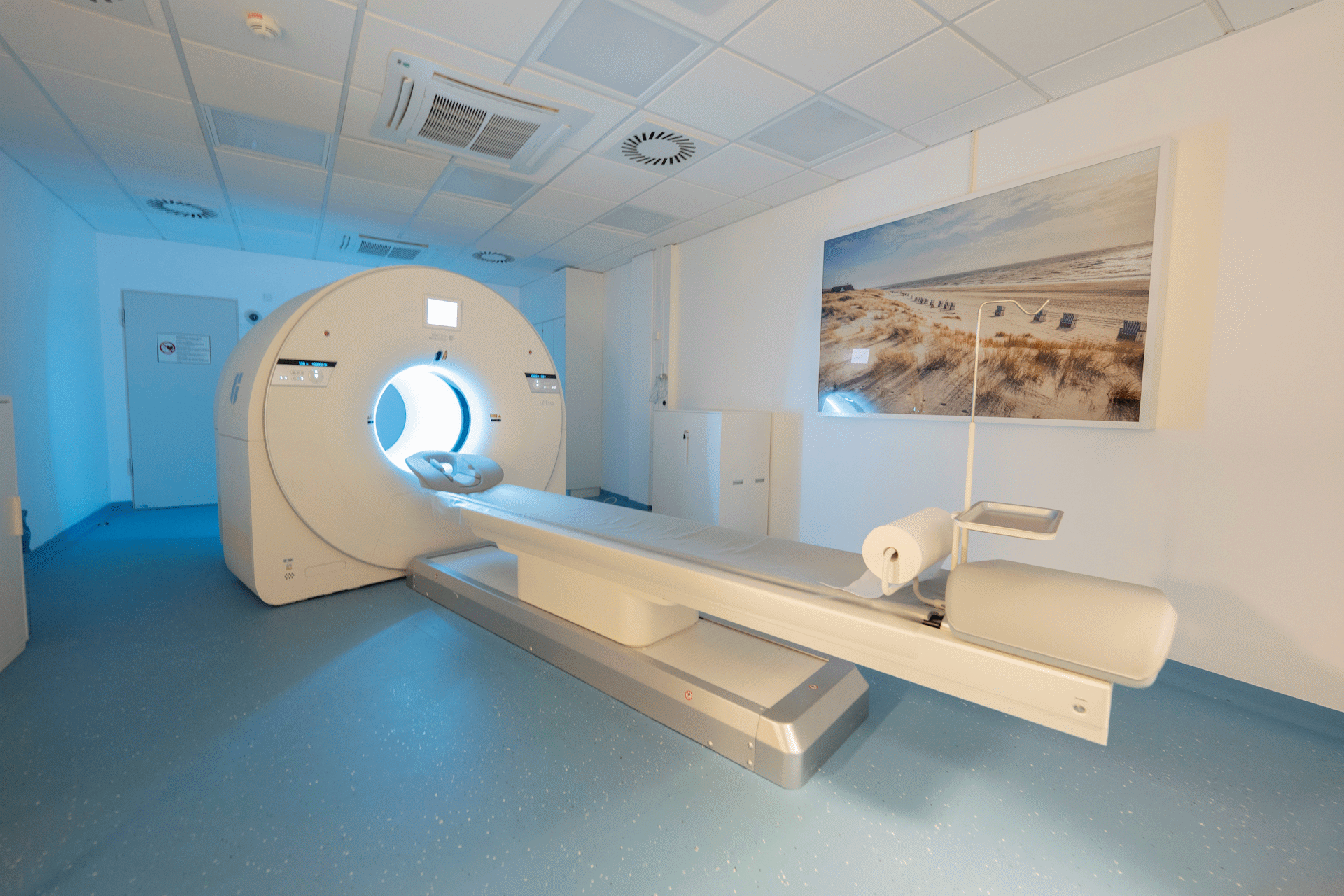
Beyond workflow improvements, the team emphasized the role of artificial intelligence in PET image reconstruction. PD Dr. med. Verena Ruhlmann said: "The AI solutions that United Imaging offers us can be found in the area of PET reconstructions. This allows for precise diagnostics."
Clinical value, the experts noted, is closely tied to how imaging performance translates into patient experience. Dr. Katija Brandt-Mainz, Partner at the Center for Nuclear Medicine and Molecular Imaging in Essen & Nuclear Specialist, linked her perspective to her academic background. "During my university years, I conducted research on PET/CT," she said, adding that "a main research focus was the diagnosis and treatment of thyroid diseases, especially thyroid carcinoma."
She described the impact of digital PET/CT in routine clinical practice. "With digital PET CT, we achieve excellent image quality and can also significantly reduce the patient's radiation exposure," Dr. Brandt-Mainz said. "Secondly, we can examine patients more quickly. The shorter examination time increases patient comfort, we can examine more patients."
PD Dr. med. Verena Ruhlmann added: "After approximately 300 days, we can conclude that we are very satisfied with the product and the service. It has fully met our expectations."
Taken together, the remarks describe a clinical environment where imaging performance, usability, and efficiency are evaluated in practical terms, with a consistent focus on diagnostic precision and the patient experience.