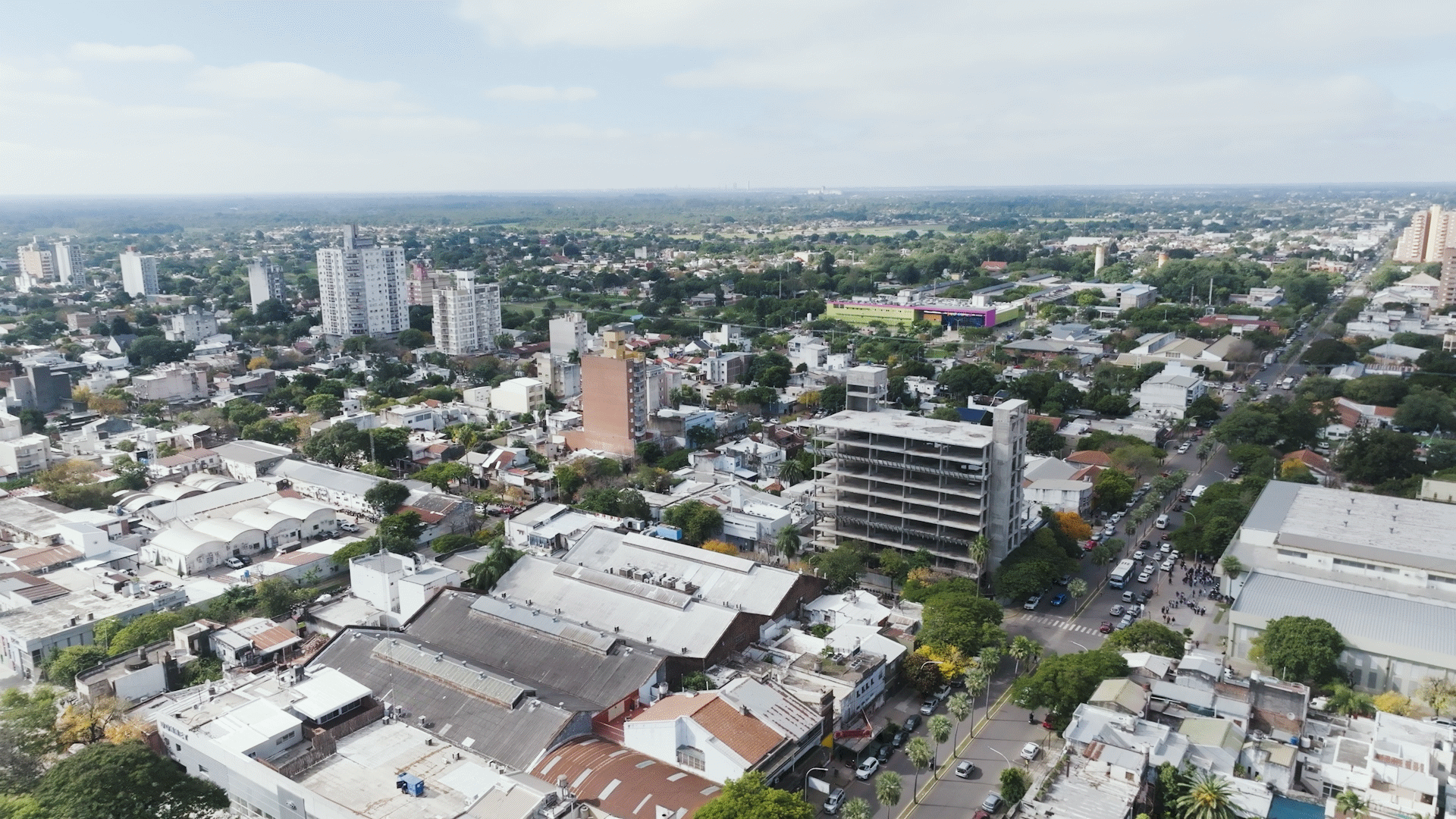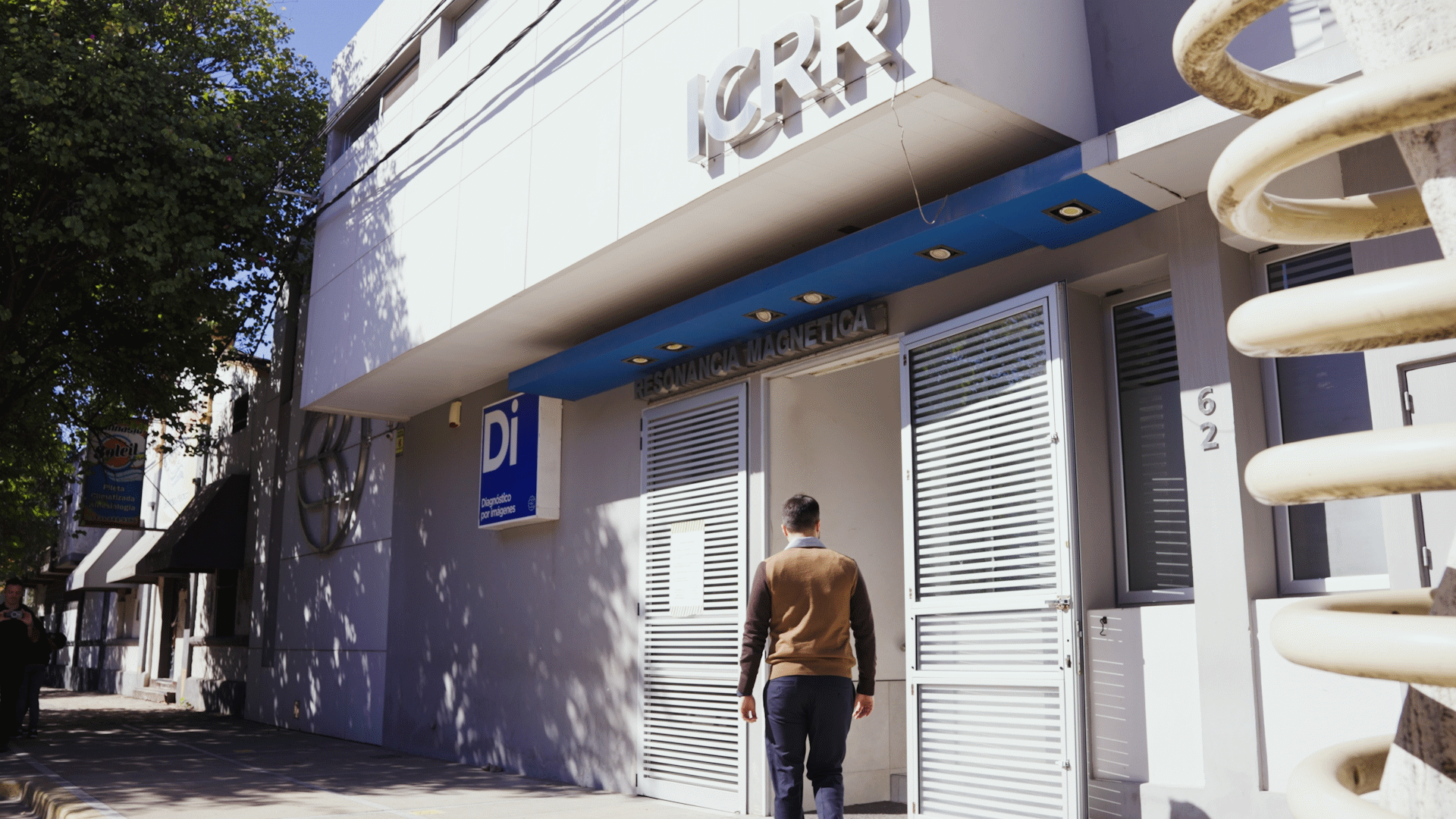
In northern Chaco province, access to specialized medical care can be limited by distance and infrastructure. For nearly five decades, Instituto Consultorio Radiológico Resistencia has played a central role in providing diagnostic services to communities across the region.
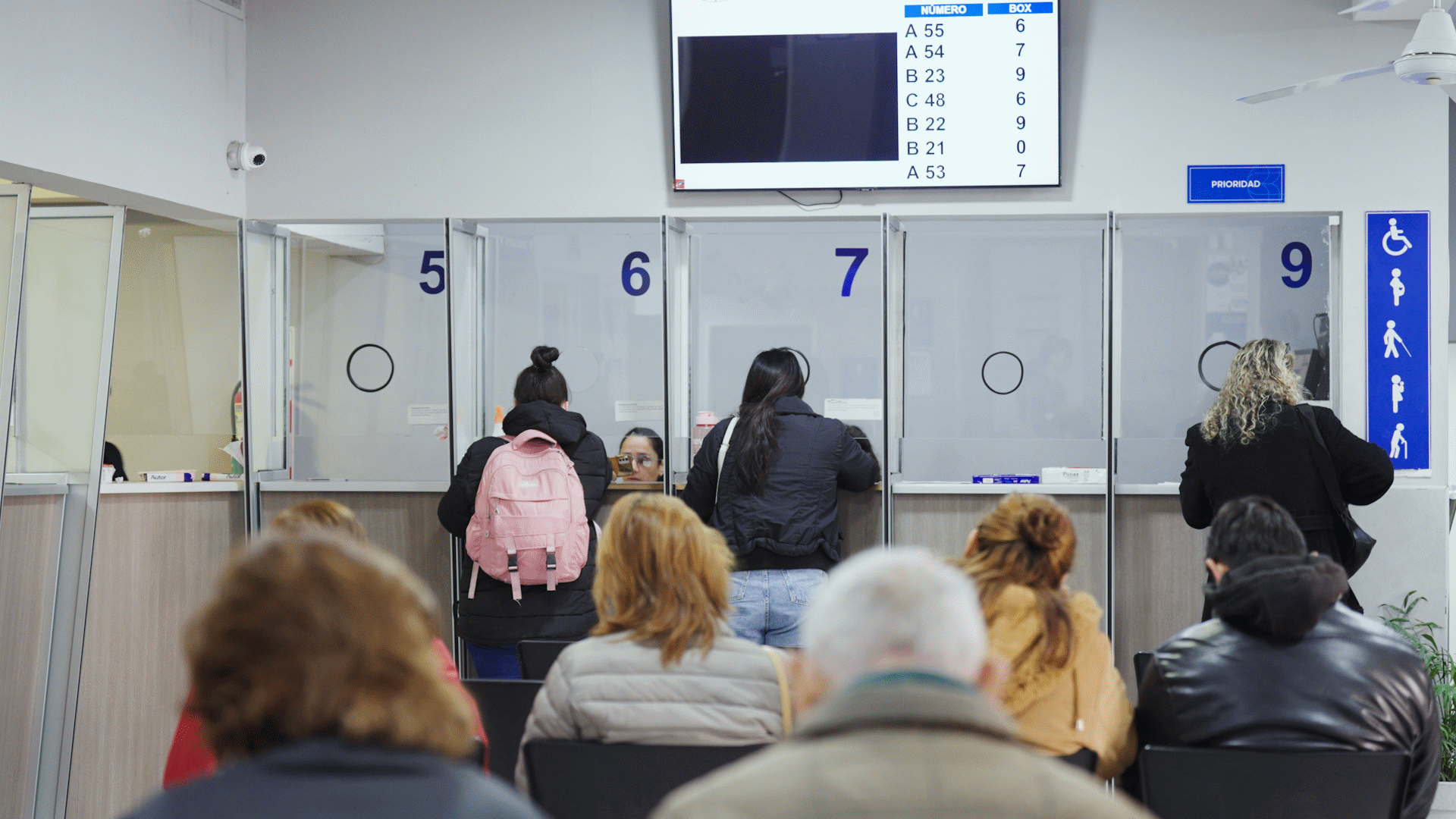
Founded 48 years ago, ICRR supports care for diseases ranging from tuberculosis and Chagas disease to cancer. Today, the institute serves more than 200,000 patients each year, many of whom rely on it as their primary point of access to advanced imaging. "We get started very early at 7 in the morning and close at the end of the night," said Mr. Lucas Peyrano, the general manager at ICRR. "We also have departments that provide attention 24 hours a day."
The pace reflects the scale of demand. The MRI department alone scans around 120 patients daily, running continuously to meet clinical needs.
To support this workload, the institute upgraded its imaging capabilities with both CT and MRI systems from United Imaging, selected for their efficiency and reliability in high volume environments. According to Mr. Lucas Peyrano, the uMR 680 MRI system has helped improve workflow and image acquisition. Integrated AI shortens scan times while maintaining diagnostic precision, allowing the team to examine more patients each day.
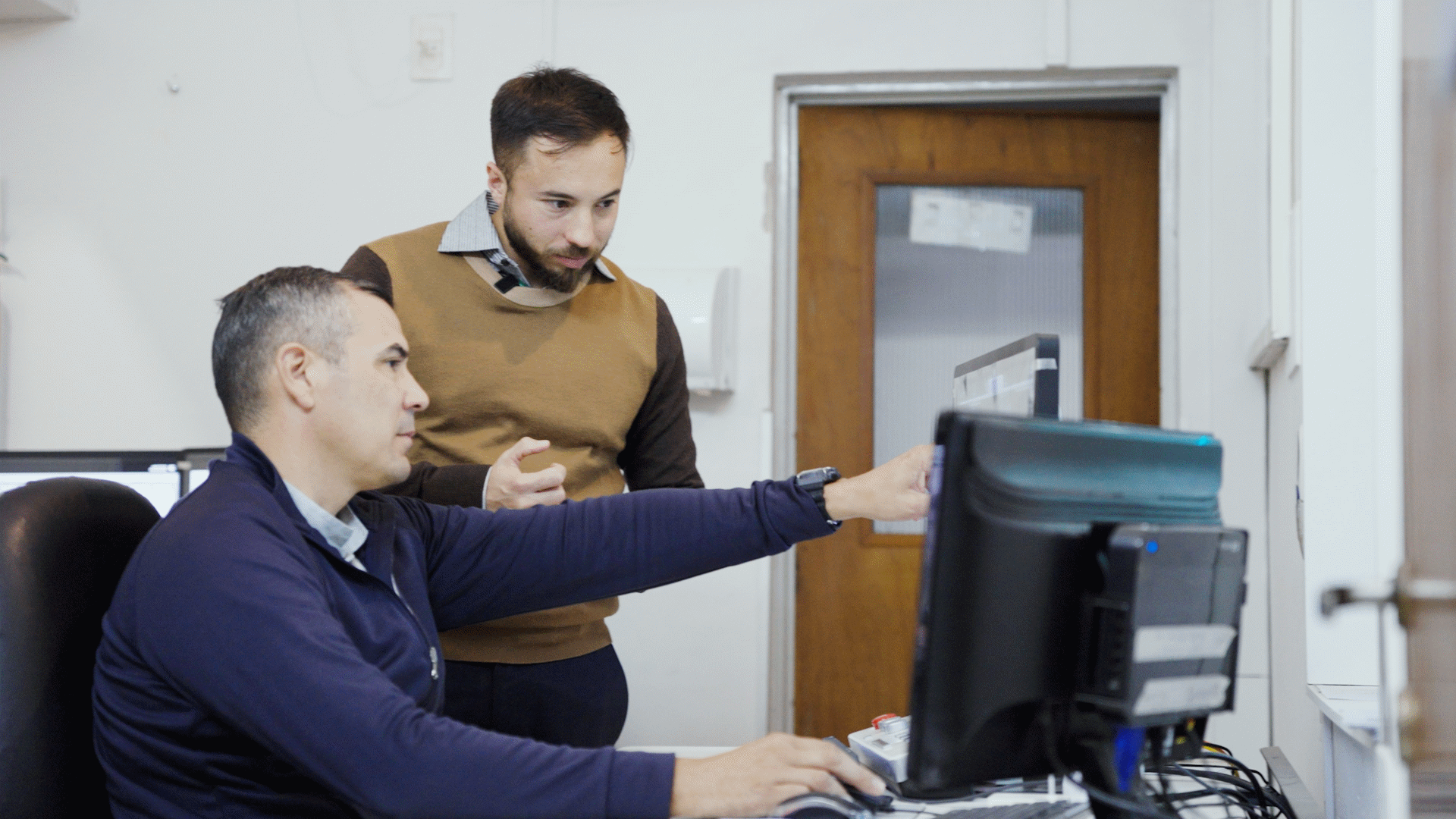
"The uMR 680 MRI system, equipped with integrated AI, has significantly enhanced precision and acquisition times," Mr. Lucas Peyrano said. The improved efficiency allows the center to serve more of the community.
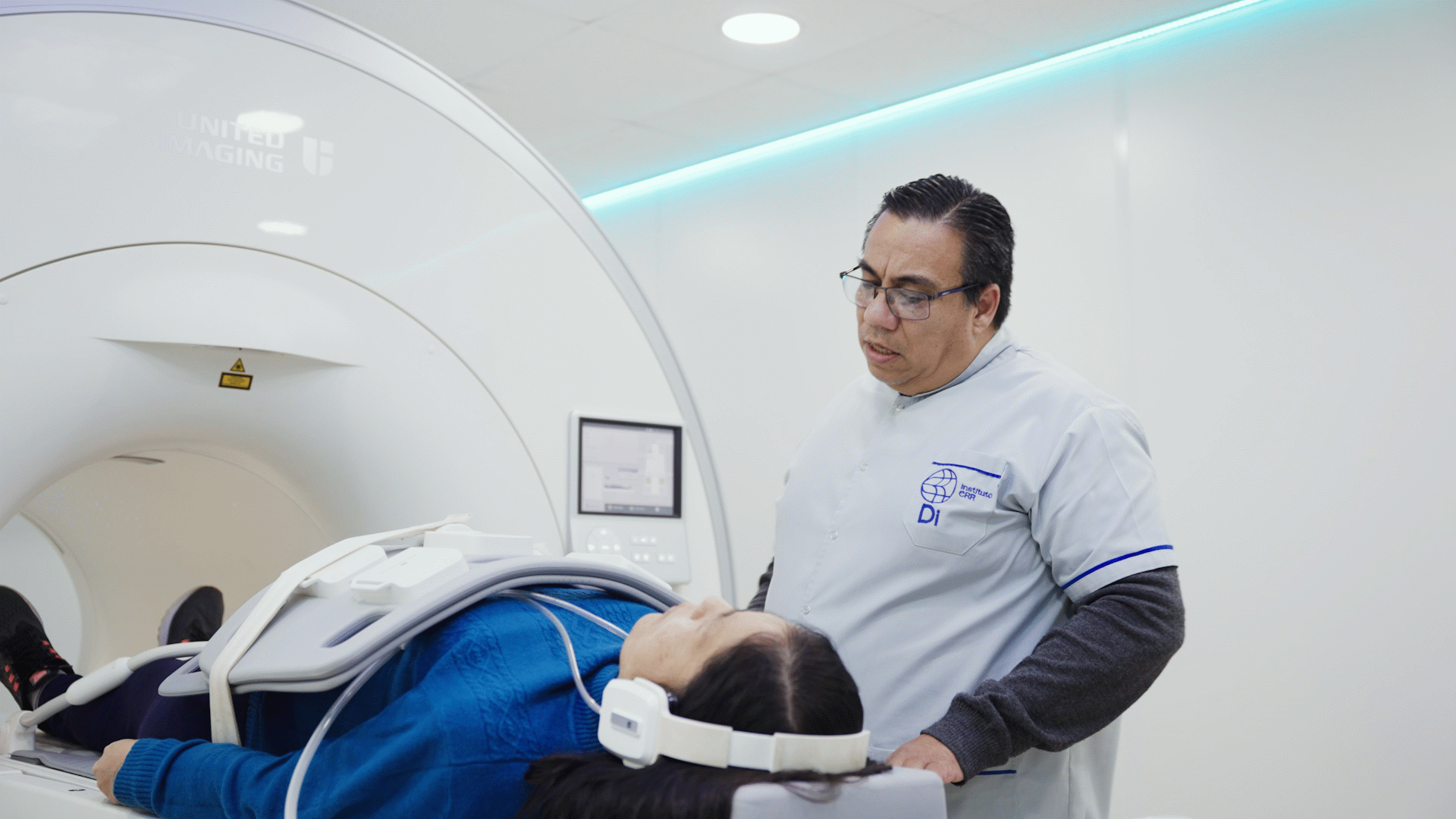
Patient comfort is also a key consideration. Peyrano added that the technology’s design also prioritizes patient comfort. "With its 70-centimeter-wide bore, it offers greater precision and comfort to patients who suffer from obesity and claustrophobia," he said. With the wide bore, the system is better suited for patients who are obese or have claustrophobia, helping to reduce discomfort during exams.
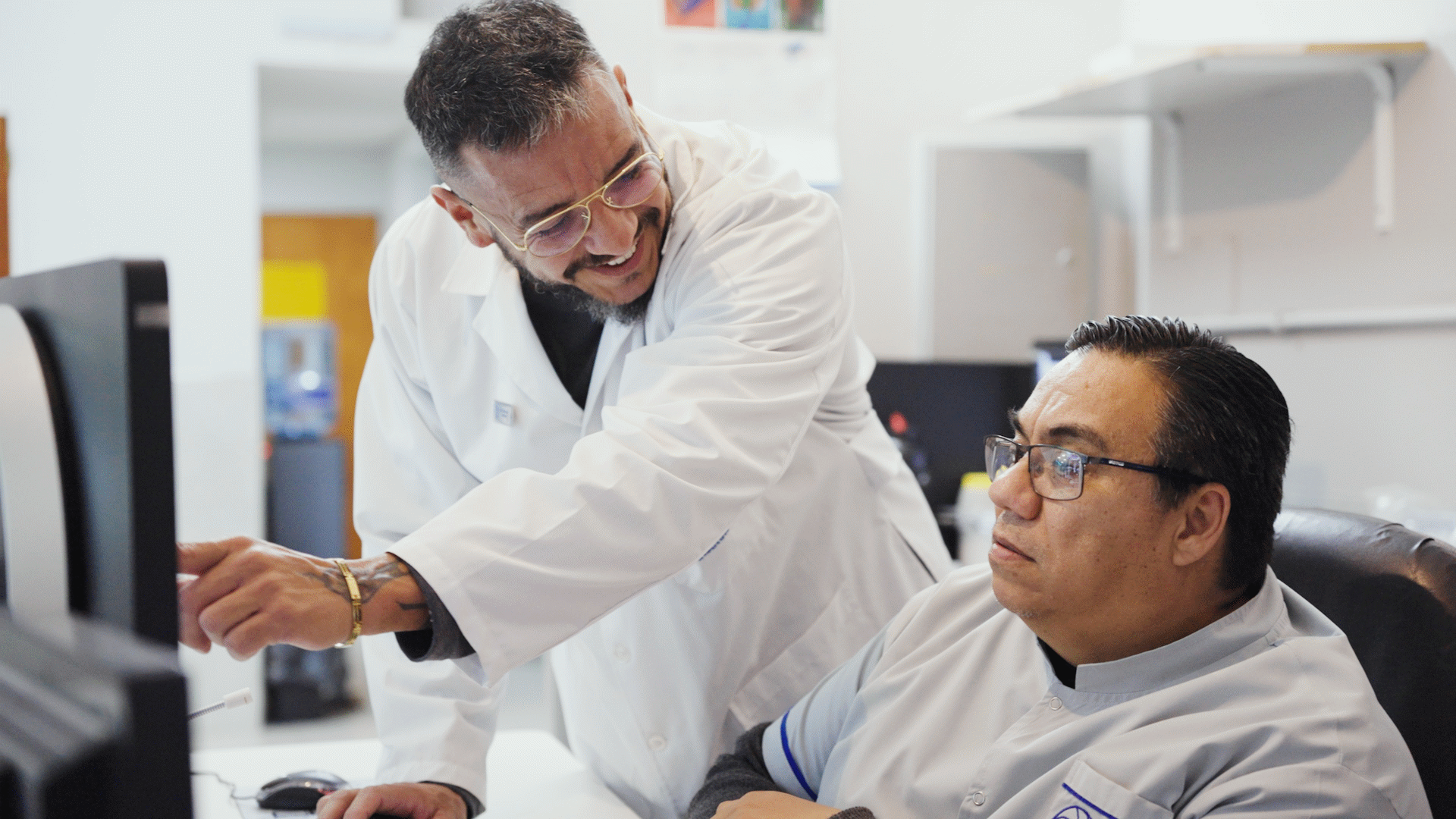
As ICRR moves forward with a second phase of expansion, its mission remains focused on access and continuity of care. In remote regions, sustainable healthcare depends on technology that can perform consistently, and on the teams who rely on it every day to serve their communities.