
"I like reaching the top of the mountain, but what interests me more is being the first to reach the top of that mountain." In Mendoza, Argentina, that spirit of leadership and exploration defines Fundación Escuela Medicina Nuclear (FUESMEN), an institution continuously ascending new summits in the field of nuclear medicine.
Founded through an agreement between the National Atomic Energy Commission, the Government of Mendoza Province, and the National University of Cuyo during the 1990s, FUESMEN is recognized as a leader and benchmark in nuclear medicine across Latin America. "Everything that exists in nuclear medicine has to exist at FUESMEN. It's necessary to mark out the way forward," stated Lic. Sergio Mosconi, head of the Nuclear Medicine Department and chair of the board of directors. Over 30 years, FUESMEN has played a key role in the diagnosis and treatment of complex diseases, supported the local healthcare system, and contributed to professional development throughout the region. Today, it continues to pursue higher ground, always seeking the most advanced tools to stay ahead.
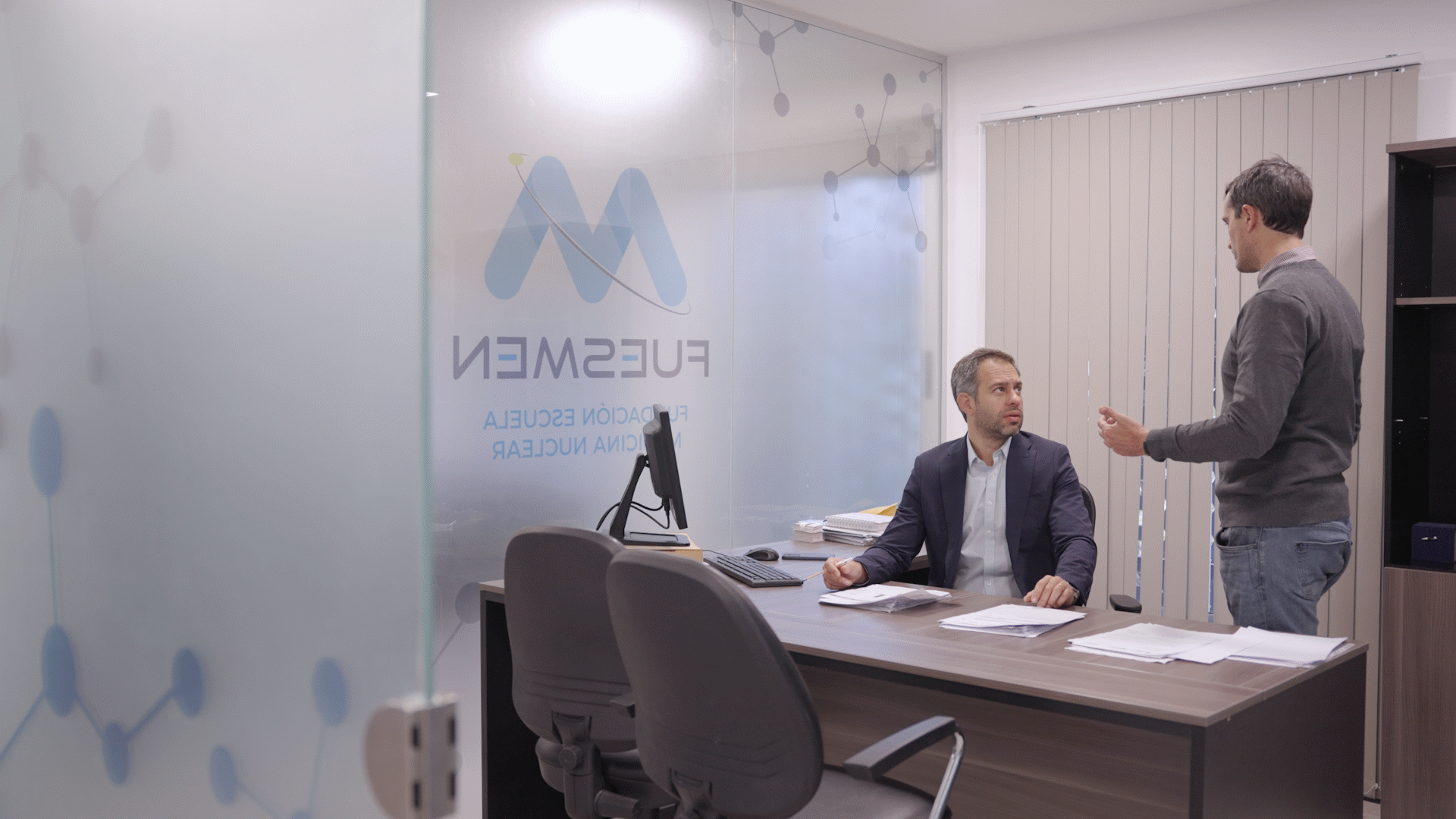
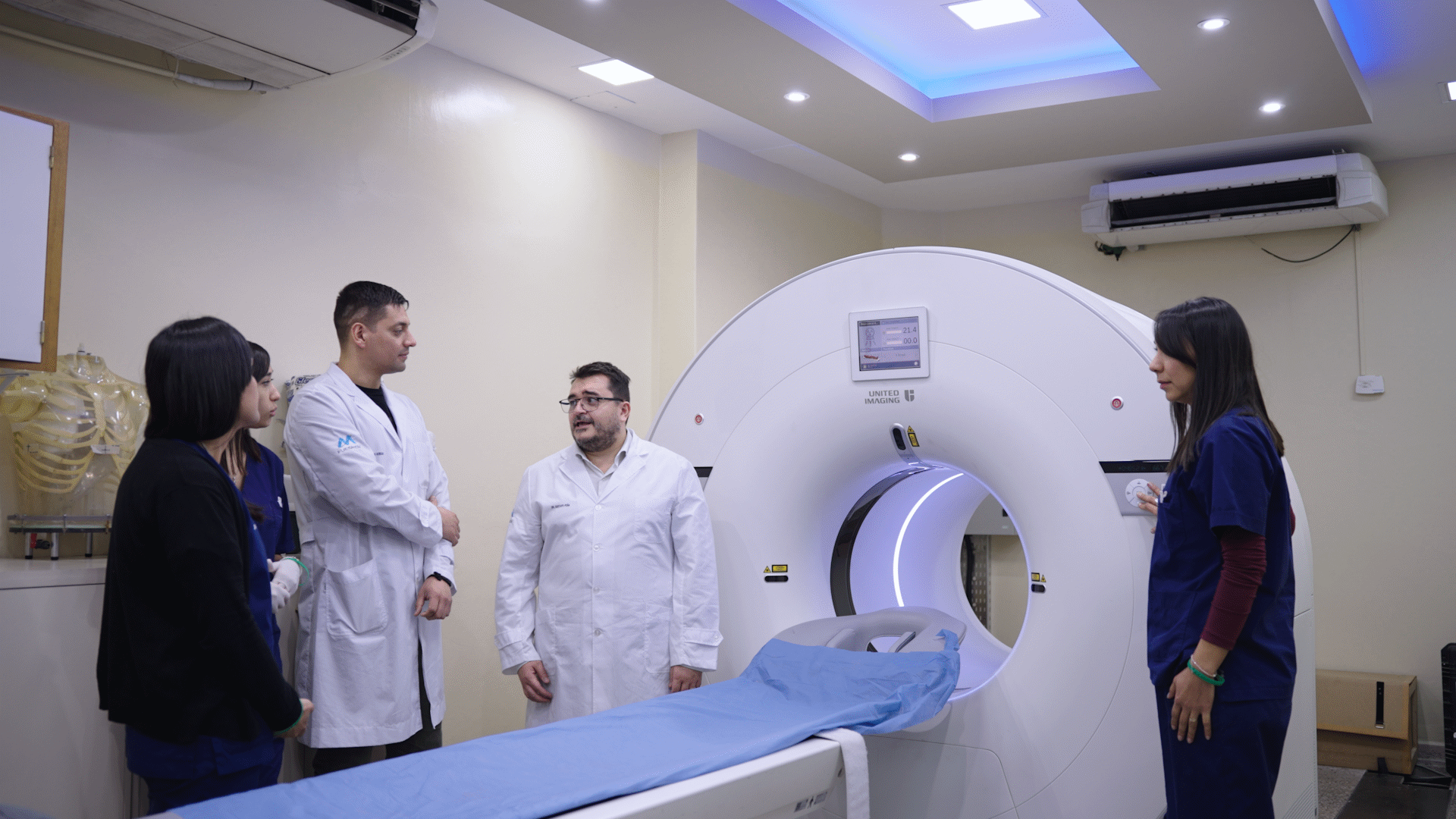
"It's not possible to think about nuclear medicine without being at the forefront of technological development," emphasized Dr. Sebastián Parisi, general manager at FUESMEN. The introduction of the uMI 550 from United Imaging empowered them to pave the way forward. The system now plays a critical role in the accurate detection of minimal lesions, particularly in oncology. "We are focusing on detecting pulmonary micronodules smaller than six millimeters in cancer patients. Detecting these small nodular images and distinguishing between benign and malignant ones can radically change a patient's staging," Dr. Gustavo Agustín Peña added. With Hyperfocus, an advanced AI algorithm integrated into the uMI 550, radiologists are now able to more effectively analyze uptake in small nodules, enabling more accurate and confident diagnoses.

"Patients first" has always been one of FUESMEN's core philosophies. Ensuring safety through lower radiation doses, without compromising image quality, has long been a priority. The AI technique within the uMI 550 has made a significant difference. Studies can be conducted at half the usual dose, and even down to one-third in pediatric cases. "We saw that the images, both with the usual bone reconstruction and with DPR, looked good. And those with DPR, which were done with AI, improved the image quality by reducing noise and increasing lesion contrast,"; explained Dr. Peña.
Technological advancements also contribute to FUESMEN's commitment to talent nurturing. "We have contributed to the education of a large number of professionals who today work in nuclear medicine centers in Argentina and in Latin America," remarked Lic. Sergio. The sustained investment in talent is not only strengthening local capabilities but also opening new horizons for Latin American healthcare.
The spirit of aiming high is evident throughout FUESMEN, yet the climb never ends. Well-equipped and future-focused, FUESMEN stands ready to embrace the evolving frontiers of nuclear medicine. "We believe that, today, we can affirm that commitment, innovation, and technology will continue to open more doors for us on the international stage," Dr. Sebastián Parisi said confidently.